


Foxtails and Grass Burrs: The Hidden Danger in Castle Rock’s Open Spaces This Summer
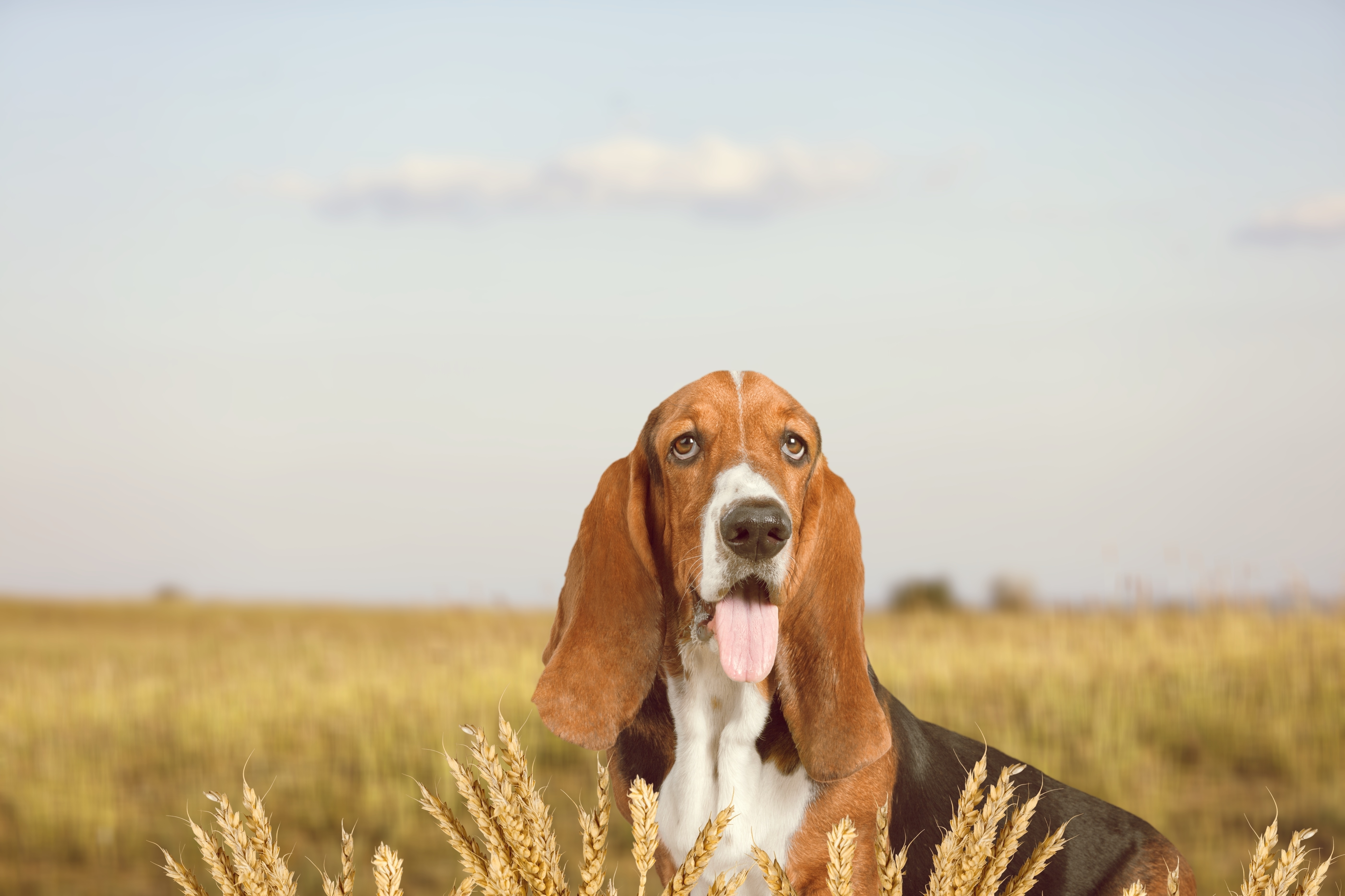
Summer in Castle Rock means more time outside with your dog, whether you are walking local trails, visiting open spaces, or spending time in dry grassy areas. While these outdoor moments are great for exercise and enrichment, they can also expose pets to foxtails and grass burrs.
Foxtails are barbed seed awns that can easily attach to fur, paws, ears, eyes, nose, or skin. Grass burrs can also cling to your pet’s coat and become painful if they work their way deeper. Because these plant materials are sharp and designed to move forward, they can become embedded and lead to irritation, infection, or more serious problems if not removed promptly.
Where Foxtails and Grass Burrs Can Get Stuck
Dogs are especially at risk because they often run through tall grass, sniff the ground, and explore brushy areas. In Castle Rock’s open spaces, dry weeds and grasses can make foxtail exposure more common during the warmer months.
Foxtails and burrs can hide in areas that are easy to miss, including between the toes, under the legs, around the tail, inside the ears, near the eyes, and under thick fur. Once embedded, they may not fall out on their own. Some can migrate deeper into tissue, which is why early attention matters.
Signs Your Pet May Have a Foxtail or Burr Problem
After outdoor time in Castle Rock, CO, it is important to watch for signs that something may be bothering your pet. Symptoms can vary depending on where the foxtail or grass burr is located.
Common signs include:
- Limping, licking, or chewing at a paw
- Head shaking or scratching at the ears
- Squinting, redness, or pawing at the eye
- Sneezing, nasal discharge, or sudden nose irritation
- Swelling, redness, drainage, or a painful lump on the skin
- Excessive grooming after being in tall grass or brush
If your dog shows any of these signs, avoid digging deeply into the skin or ear canal at home. Pulling on a visible burr from the coat is one thing, but embedded foxtails can break apart or move deeper if handled incorrectly.
How to Check Your Pet After Outdoor Adventures
A quick post-walk check can help lower your pet’s risk. After hikes, park visits, or walks through grassy areas in Castle Rock,CO, gently inspect your pet’s paws, ears, belly, armpits, tail area, and coat. Long-haired dogs may need extra attention because foxtails and burrs can hide close to the skin.
Brushing your pet after outdoor activity can also help remove loose plant material before it causes irritation. Keeping the hair between the paw pads trimmed may make it easier to spot foxtails before they become embedded.
When it’s Time To See a Vet
If your pet is limping, shaking their head, sneezing repeatedly, squinting, or showing signs of pain after being outdoors, it is best to schedule a veterinary exam. Foxtails and grass burrs can cause discomfort quickly, and prompt removal may help prevent infection or complications.
At Brekke Veterinary Clinic, our team can examine your pet, safely remove embedded plant material when needed, and recommend treatment if irritation or infection is present. For pet owners in Castle Rock, taking symptoms seriously can make a big difference during foxtail and grass burr season.
Schedule a visit with Brekke Veterinary Clinic on Happy Canyon Rd. in Castle Rock, CO by calling (303) 474-4260.

Pet Services
Learn More
Keep
In Touch

856 W Happy Canyon Rd. Suite 120
Castle Rock, CO 80108
1176 Aloha St. Unit 100
Castle Rock, CO 80104
Powered by 