


Fall Rattlesnake Warnings in Castle Rock: What to Do If Your Dog Encounters a Snake This September
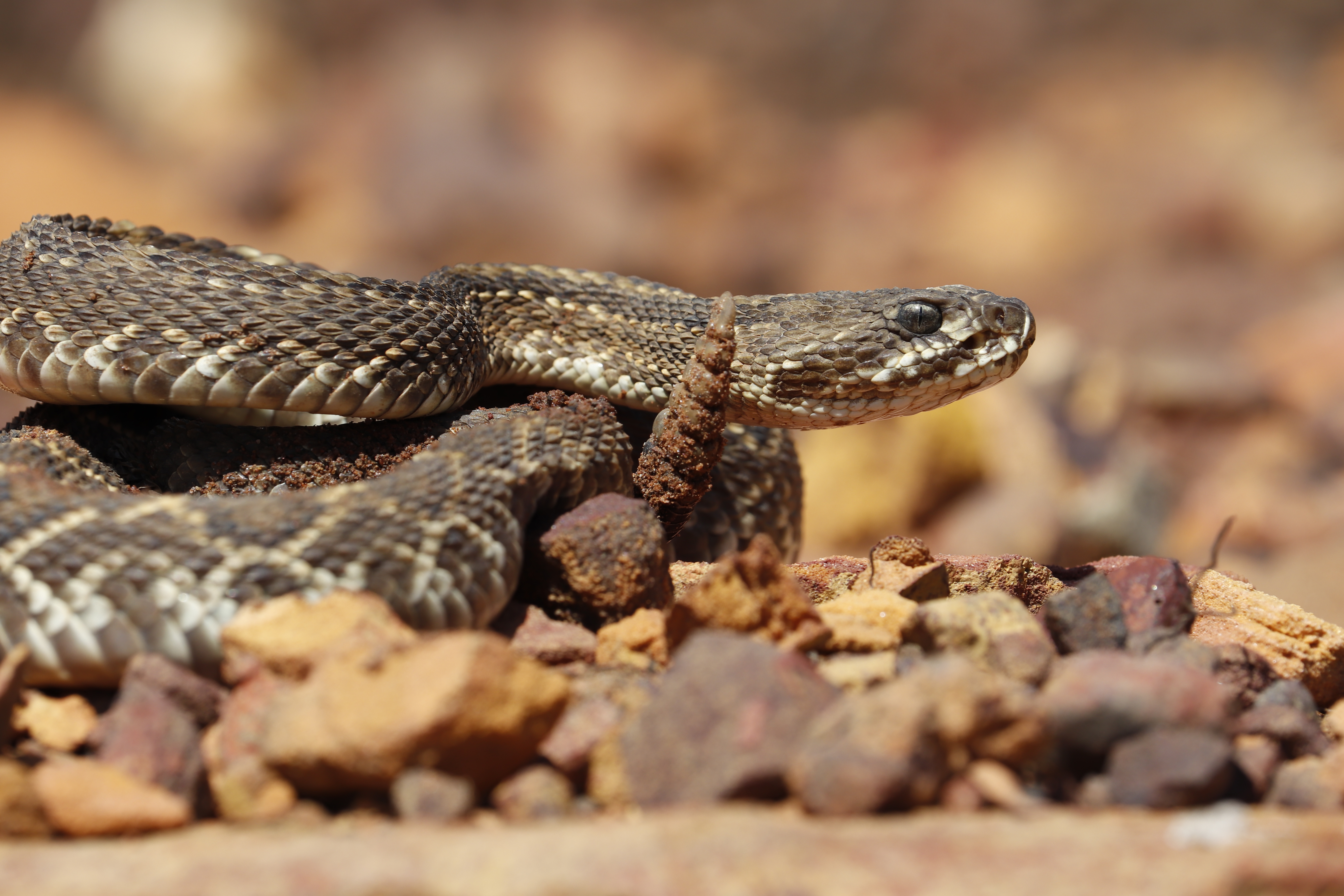
September brings cooler mornings and beautiful hiking weather to Castle Rock, but dog owners should still be aware of rattlesnakes when spending time outdoors. Rattlesnakes can remain active into the fall, particularly when temperatures are warm enough for them to bask on trails, rocks, and other sun-exposed surfaces.
If your dog encounters a rattlesnake, knowing how to respond can help protect both you and your pet. A suspected rattlesnake bite should always be treated as a veterinary emergency.
Why Rattlesnakes Are Still a Concern in September
It can be tempting to assume rattlesnake season ends when summer does. In Colorado, however, rattlesnakes may continue to be active during warmer fall days. Cooler temperatures can also encourage snakes to spend more time basking in sunny areas, including places where people and dogs may be walking.
Dogs are especially vulnerable because they often investigate unfamiliar smells or movement with their noses. A curious dog may approach a snake before an owner realizes it is nearby.
Keeping your dog leashed while walking trails around Castle Rock can give you greater control and help prevent close encounters.
Signs Your Dog May Have Been Bitten
You may not always see the snake or witness the actual bite. Watch for sudden changes in your dog's behavior, particularly after hiking or spending time in grassy, rocky, or open areas.
Possible signs of a snakebite can include:
- Sudden swelling or pain near the bite
- Small puncture wounds
- Bruising, redness, or bleeding
- Weakness or unusual lethargy
- Vomiting
- Difficulty walking or acting normally
Symptoms can develop quickly, and the severity of a bite cannot be reliably determined just by looking at the wound.
What to Do After a Suspected Rattlesnake Bite
First, move yourself and your dog away from the snake. Do not attempt to catch, handle, or kill it. If you can safely take a photo from a distance without delaying veterinary care, it may provide useful information.
Keep your dog as calm and still as possible. Carry your dog rather than allowing them to walk if you can do so safely, since limiting activity is recommended after a venomous snakebite.
Do not apply ice, cut the bite, attempt to suck out venom, or place a tourniquet around the affected area. These approaches can cause additional injury and should not delay professional veterinary treatment.
Seek Veterinary Care Immediately
Even if your dog initially appears alert, a suspected rattlesnake bite requires prompt veterinary attention. The amount of venom delivered can vary, and swelling, tissue injury, pain, and other complications may worsen over time.
If a snakebite or another urgent health concern occurs during our normal business hours, contact our Happy Canyon Road team for guidance. For a life-threatening emergency or an incident outside our normal hours, seek care from an emergency veterinary hospital immediately.
For urgent veterinary guidance in Castle Rock, CO, contact Brekke Veterinary Clinic at our Happy Canyon Road location at (303) 474-4260

Pet Services
Learn More
Keep
In Touch

856 W Happy Canyon Rd. Suite 120
Castle Rock, CO 80108
1176 Aloha St. Unit 100
Castle Rock, CO 80104
Powered by 