


Pet Microchip Checkups in Castle Rock: Keeping Your Contact Details Current
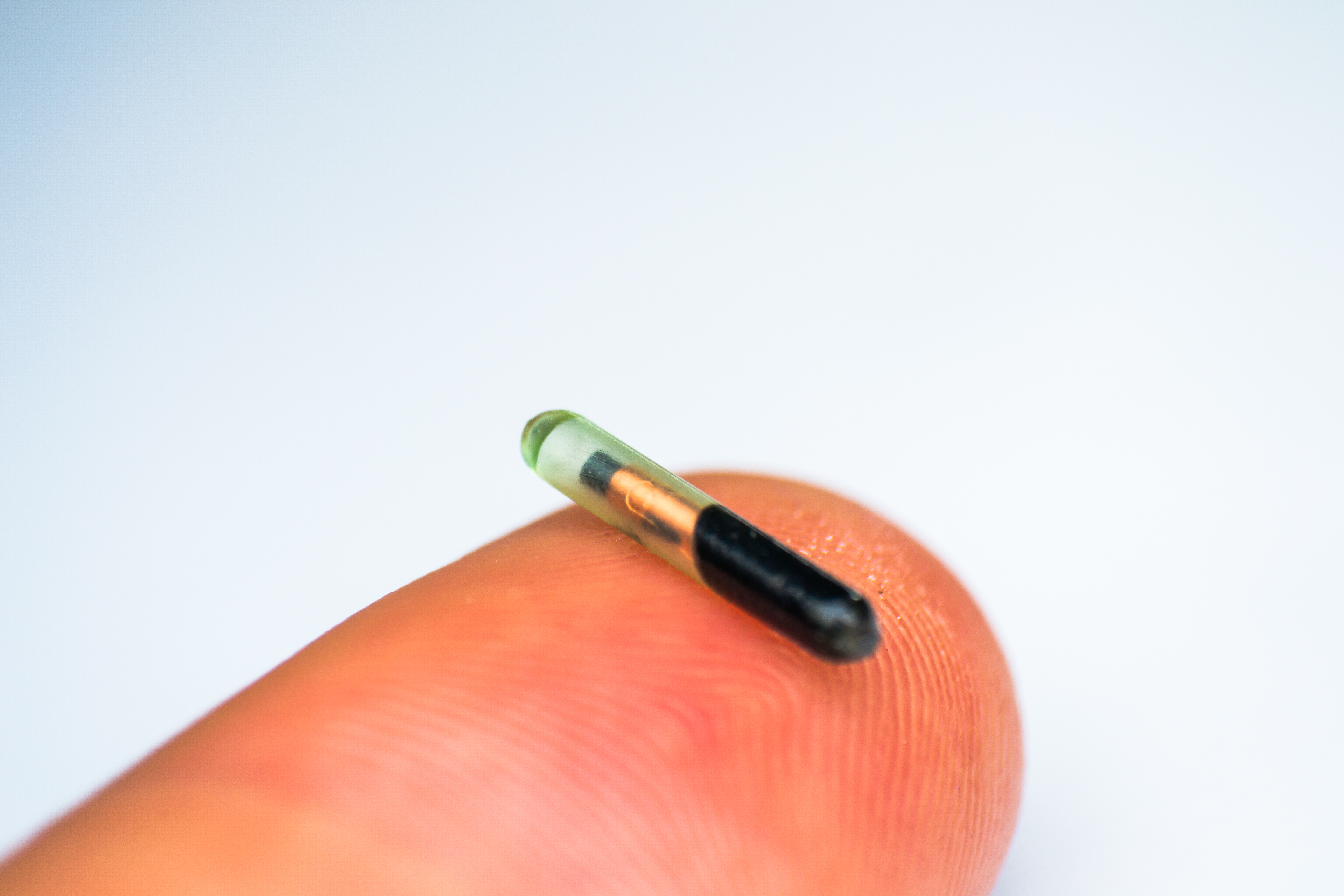
A microchip can provide your dog or cat with a permanent form of identification, but the chip is only part of the system. If your phone number, address, or other contact information changes and the microchip registry is not updated, it may be harder for a shelter or veterinary hospital to reach you if your pet is found.
At Brekke Veterinary Clinic, we provide pet microchipping and routine veterinary care in Castle Rock, CO. Periodically checking your pet's microchip and reviewing the information connected to it can help make sure this identification tool remains as useful as possible.
How Does a Pet Microchip Work?
A pet microchip is a small electronic device placed beneath the skin. It does not contain a battery and it is not a GPS tracker. Instead, the chip stores a unique identification number that can be detected with a compatible microchip scanner.
If a lost pet is brought to a veterinary hospital or animal shelter, staff may scan for a microchip. The identification number can then be used to determine which registry is associated with the chip and to locate the owner's registered contact information.
A microchip can improve the chances of reconnecting a lost pet with their family, but it cannot guarantee recovery. Updated registration details, visible identification tags, and responsible supervision remain important.
Why Should You Have the Microchip Checked?
Once a pet has been microchipped, it is easy to assume nothing else needs to be done. However, it can be helpful to periodically confirm that the chip can still be detected and that you know which registry holds your information.
During a routine veterinary visit in Castle Rock, ask whether your pet's microchip can be scanned. This can help confirm the chip number and give you an opportunity to compare it with your records.
Situations that should prompt you to review your pet's registration include:
Moving to a new home
Changing your primary phone number
Updating your email address
Adding or changing an emergency contact
Adopting a pet whose microchip was registered to a previous owner
Changing your name or other identifying information
Realizing you no longer know which registry contains the chip information
Keep the microchip number somewhere easy to access along with your pet's veterinary records.
Keeping the Microchip Registry Current
Your veterinarian can scan the microchip, but owners generally need to maintain their contact information directly with the appropriate microchip registry.
After adopting or microchipping a pet, confirm that the chip has actually been registered in your name. If you move elsewhere in Castle Rock or relocate to another city, update the registry rather than assuming your veterinary records automatically update the microchip database.
It is also useful to provide more than one reliable contact method when the registry allows it. An alternate phone number or trusted emergency contact may be helpful if your primary number cannot be reached.
If you are unsure which company your pet's chip is registered with, the microchip number can help determine the next step.
Microchips and ID Tags Work Better Together
Microchips provide identification that pets cannot simply lose like a collar tag, but visible identification still serves an important purpose. A readable tag with your current phone number can allow someone who finds your pet to contact you immediately without first traveling to a veterinary clinic or shelter for scanning.
For Castle Rock pet owners, using both a registered microchip and current collar identification provides multiple ways for someone to identify a lost pet.
Checking these details is especially worthwhile before travel, moving, boarding, hiking, or other situations that place pets in unfamiliar surroundings. It can also be added to your routine pet wellness checklist once or twice a year.
If you would like to have your pet's microchip checked or discuss pet microchipping, contact Brekke Veterinary Clinic at 1176 Aloha St. Unit 100, Castle Rock, CO 80104 by calling 720-464-3525.

Pet Services
Learn More
Keep
In Touch

856 W Happy Canyon Rd. Suite 120
Castle Rock, CO 80108
1176 Aloha St. Unit 100
Castle Rock, CO 80104
Powered by 