


Slower on the Trail? Recognizing the Hidden Signs of Joint Strain and Fatigue in Your Dog
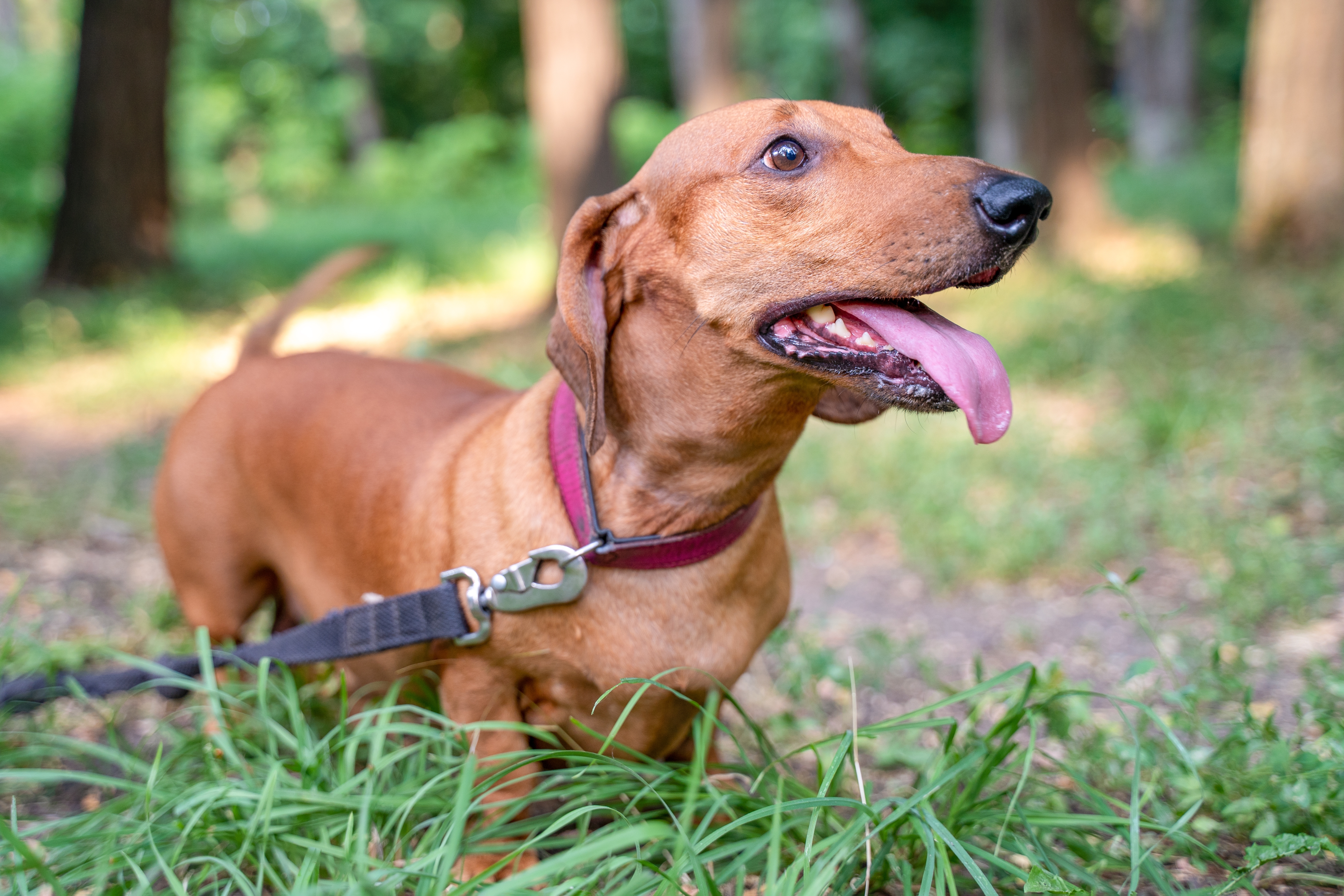
Dogs often push through discomfort because they are excited to keep walking, running, and exploring. After a hike around Castle Rock, your dog may seem tired, but subtle changes in movement can also point to joint strain, muscle fatigue, or an underlying orthopedic problem. Recognizing these early warning signs can help you adjust activity and seek veterinary care before a minor issue becomes more painful.
Fatigue or Joint Discomfort?
Normal exercise fatigue usually improves after rest, hydration, and a good night’s sleep. Joint strain may cause stiffness or changes in movement that continue into the next day. Some dogs do not cry out or develop an obvious limp. Instead, they may simply slow down, hesitate, or avoid movements they usually enjoy.
Age is not the only factor. Active dogs, young dogs that play intensely, dogs carrying extra weight, and dogs with previous injuries may all experience joint or soft tissue strain. Uneven trails, steep climbs, sudden turns, and longer-than-usual outings can place added stress on the hips, knees, elbows, shoulders, and paws.
Hidden Signs to Watch For
Pay attention to your dog during the walk and after returning home. Signs of joint strain and fatigue may include:
• Falling behind or stopping more often on familiar trails
• Taking longer to stand after resting
• Hesitating before climbing stairs or jumping into the car
• Licking one joint, paw, or leg repeatedly
• Sitting unevenly or shifting weight away from one side
• Showing stiffness the morning after exercise
A dog may also become less enthusiastic about walks or appear restless when trying to get comfortable. These behavioral changes can be just as important as a visible limp.
Check the Paws After Every Outing
Not every change in movement comes from a joint. Rocks, thorns, torn nails, irritated paw pads, and debris between the toes can make a dog slow down or favor one leg. After hiking in Castle Rock, inspect each paw carefully and look for swelling, redness, cuts, tenderness, or anything lodged between the toes.
When to Schedule a Veterinary Exam
Contact a veterinarian if stiffness or limping continues after rest, keeps returning after activity, or affects your dog’s normal routine. Prompt care is especially important when a dog cannot place weight on a leg, has significant swelling, cries when touched, drags a limb, or develops symptoms after a fall or collision.
During an exam, our veterinarians can evaluate your dog’s gait, joints, muscles, paws, and range of motion. Depending on the findings, further diagnostics may be recommended to identify arthritis, ligament injuries, fractures, or other causes of pain.
Supporting Safer Trail Time
Choose routes that match your dog’s age, conditioning, and health. Increase distance gradually, provide water breaks, avoid intense activity after long periods of inactivity, and allow time for recovery. A veterinary wellness exam can also help identify mobility concerns before your dog returns to Castle Rock trails.
Schedule a veterinary evaluation with Brekke Veterinary Clinic to discuss changes in your dog’s movement, energy, or trail performance. Contact our Aloha Street location in Castle Rock, Colorado, by calling (303) 474-4260 to book an appointment today.

Pet Services
Learn More
Keep
In Touch

856 W Happy Canyon Rd. Suite 120
Castle Rock, CO 80108
1176 Aloha St. Unit 100
Castle Rock, CO 80104
Powered by 