


What Is a Gastropexy and How Can It Help Prevent Bloat in Dogs?
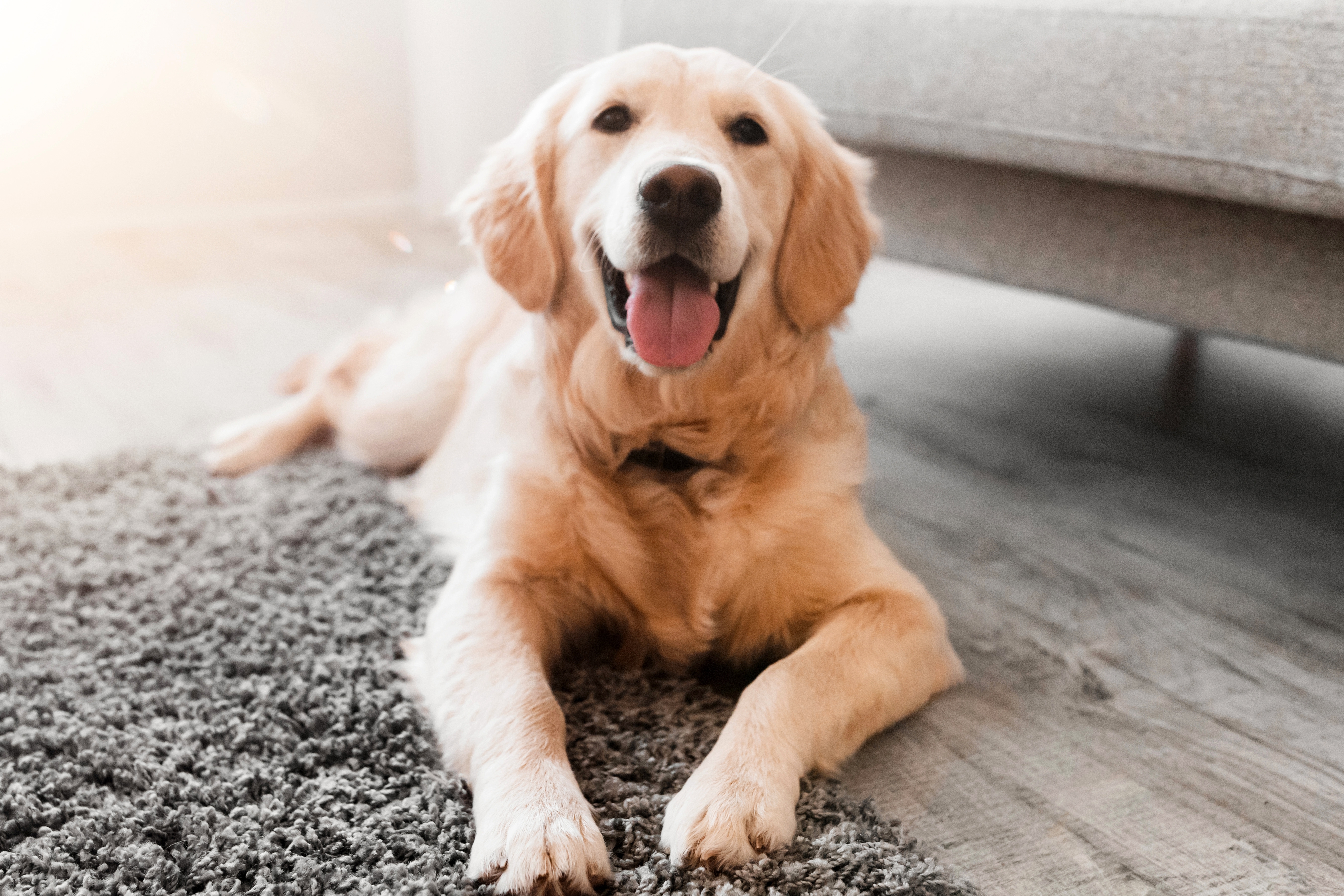
Bloat is one of the most serious emergencies that can affect dogs, particularly large and deep-chested breeds. At Brekke Veterinary Clinic, we offer gastropexies as part of our surgical services to help reduce the risk of a life-threatening condition known as gastric dilatation-volvulus, or GDV.
For dog owners in Castle Rock, CO, understanding gastropexy and which dogs may benefit from the procedure can help you make informed decisions about your pet's health.
What Is a Gastropexy?
A gastropexy is a surgical procedure that attaches the stomach to the abdominal wall. This helps keep the stomach in its normal position and reduces the risk that it will twist.
Gastropexy is commonly performed as a preventive procedure in dogs considered at higher risk for GDV. In some cases, it can be performed at the same time as a spay or neuter, reducing the need for a separate surgery and recovery period.
It is important to understand that a gastropexy does not necessarily prevent the stomach from becoming enlarged with gas. Its primary purpose is to help prevent the stomach from twisting, which is the most dangerous part of GDV.
What Is Bloat or GDV?
GDV occurs when a dog's stomach fills with gas, food, or fluid and then rotates. Once the stomach twists, blood flow can become restricted, placing the stomach and other organs at risk. Without immediate veterinary treatment, GDV can quickly become life-threatening.
Dog owners should seek emergency veterinary care if they notice possible signs of GDV, including:
• A swollen or tight abdomen
• Repeated attempts to vomit without producing anything
• Excessive drooling
• Restlessness or signs of discomfort
• Rapid breathing or panting
• Weakness or collapse
These symptoms should never be monitored at home while waiting to see if they improve. GDV requires prompt veterinary attention.
Which Dogs May Benefit From Gastropexy?
While any dog can potentially experience bloat, certain breeds have a higher risk because of their size and chest structure. Great Danes, Standard Poodles, Weimaraners, Saint Bernards, Irish Setters, and other large or deep-chested dogs are commonly considered at increased risk.
A dog's family history, age, body structure, and individual health may also influence whether preventive gastropexy should be considered. During an evaluation at our Castle Rock veterinary clinic, we can discuss your dog's specific risk factors and whether surgery may be appropriate.
How Gastropexy Helps Protect High-Risk Dogs
Preventive gastropexy provides an added layer of protection by limiting the stomach's ability to rotate. For dogs with a significant risk of GDV, taking preventive action can reduce the chance of facing an emergency stomach-twisting event later in life.
At Brekke Veterinary Clinic, our team takes the time to discuss the procedure, anesthesia, expected recovery, and your dog's individual health before surgery. Our goal is to help Castle Rock pet owners make informed choices that support their dogs' long-term health.
If you have a large or deep-chested dog and are concerned about bloat, schedule an appointment with Brekke Veterinary Clinic to discuss whether a gastropexy may be appropriate for your pet. Contact our Aloha Street location in Castle Rock, Colorado, by calling (303) 474-4260 to book an appointment today.

Pet Services
Learn More
Keep
In Touch

856 W Happy Canyon Rd. Suite 120
Castle Rock, CO 80108
1176 Aloha St. Unit 100
Castle Rock, CO 80104
Powered by 