


When Is Pet Limping an Emergency? Signs You Shouldn’t Wait to See a Vet
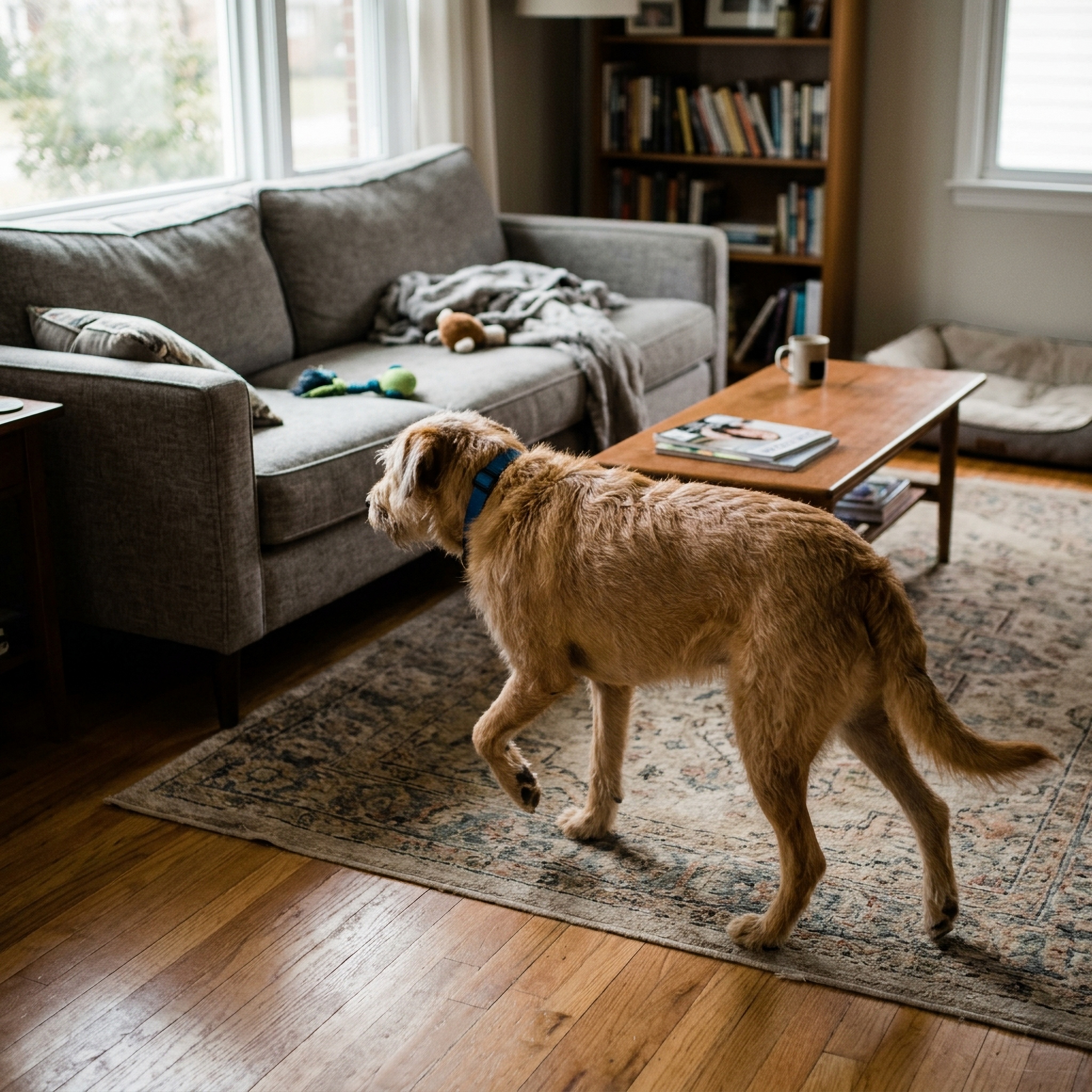
Limping in pets can happen for many reasons, from a mild strain after playtime to a serious injury that needs urgent veterinary care. While some limps improve with rest, others can signal pain, infection, joint damage, or trauma. Knowing when pet limping is an emergency can help you make the right decision for your dog or cat.
Why Your Pet May Be Limping
A pet may limp because of an injured paw, torn nail, sprain, muscle strain, arthritis, ligament injury, fracture, or something stuck between the toes. In some cases, limping may come on suddenly after a fall, jump, or rough play. Other times, it may develop slowly due to joint changes, age-related discomfort, or an underlying medical condition.
Because pets often hide pain, even a subtle limp should be taken seriously if it does not improve or if your pet seems uncomfortable.
Signs Limping May Be An Emergency
You should not wait to see a vet if your pet’s limp is severe, sudden, or paired with other concerning symptoms. Emergency veterinary care in Castle Rock may be needed if you notice:
- Your pet cannot put weight on the leg
- The limb looks swollen, bent, or out of place
- Your pet cries, yelps, or reacts strongly when touched
- There is bleeding, a deep wound, or a torn nail
- Your pet is dragging the leg or cannot move it normally
- Limping follows a fall, car accident, or other trauma
- Your pet is weak, lethargic, not eating, or acting very unusual
These signs may point to a fracture, dislocation, ligament tear, nerve injury, infection, or another urgent issue that needs prompt evaluation.
When a Limp Can Still Wait for a Scheduled Visit
If your pet is mildly limping but still walking, eating, drinking, and acting normal, you may be able to monitor them briefly. Rest is important during this time. Avoid running, jumping, stairs, and rough play until your pet is checked or the limp improves.
However, if the limp lasts more than 24 to 48 hours, gets worse, or returns after activity, it is time to schedule a veterinary exam. Even mild limping can become more painful without proper diagnosis and care.
How a Vet Exam Helps Identify the Cause
A veterinary exam in Castle Rock helps determine where the pain is coming from and what treatment your pet needs. Your vet may check the paws, nails, joints, muscles, hips, spine, and range of motion. Depending on the injury, diagnostic imaging or additional testing may be recommended. Treatment may include rest, pain management, wound care, medication, splinting, surgery, or a personalized recovery plan.
Don’t Ignore Sudden Changes in Mobility
If your pet is limping, favoring one leg, struggling to stand, or suddenly moving differently, it is always better to be cautious. Quick veterinary attention can reduce pain, prevent complications, and help your pet recover more comfortably.
Schedule an evaluation with Brekke Veterinary Clinic if your pet is limping, favoring a leg, or showing signs of pain. Visit our Aloha Street location in Castle Rock, Colorado, or call (303) 474-4260 to book an appointment today.

Pet Services
Learn More
Keep
In Touch

856 W Happy Canyon Rd. Suite 120
Castle Rock, CO 80108
1176 Aloha St. Unit 100
Castle Rock, CO 80104
Powered by 